


Career Readiness for Business & Healthcare Graduates.. Skills, CVs & Interview Strategy
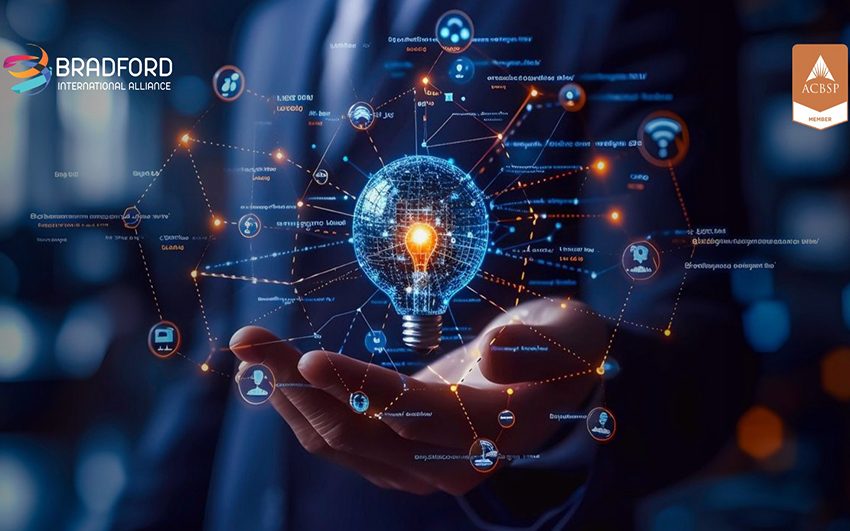
The transition from university to the workplace has never been more complex — or more competitive. For business and healthcare graduates across the GCC, academic qualifications are only part of the equation. Employers today are searching for professionals who combine technical expertise with digital fluency, communication skills, and strategic thinking.
In a region positioning itself as a global hub for finance, innovation, and advanced healthcare, career readiness is no longer optional. It is essential.
The Changing Nature of Work in the GCC
The workplace is evolving at unprecedented speed. According to the Future of Jobs Report 2023 by the World Economic Forum, 44% of workers’ core skills are expected to change by 2027, driven by digital transformation, artificial intelligence, and automation.
For business graduates, this means that financial knowledge alone is insufficient. Employers expect analytical thinking, AI literacy, and strategic problem-solving. For healthcare graduates, clinical competence must now be paired with digital health knowledge, patient communication skills, and adaptability to technology-driven systems.
The GCC’s healthcare sector is projected to reach nearly USD 39.4 billion by 2028, according to Mordor Intelligence, while the UAE’s broader digital economy continues to expand rapidly. Opportunity is abundant — but competition is intense.
What Employers Really Look For
While degrees remain important, hiring managers increasingly prioritise applied skills.
A study by LinkedIn shows that recruiters spend an average of 7–10 seconds scanning a CV before making an initial decision. This brief window demands clarity, impact, and precision.
Data analysis and financial modelling
AI awareness and digital transformation literacy
Strategic planning and decision support
Leadership and stakeholder management
Project execution and performance measurement
Clinical proficiency and patient-centred care
Ethical decision-making
Knowledge of electronic medical records (EMR)
Team collaboration across departments
Crisis management and adaptability
According to the International Labour Organization, employability outcomes improve significantly when graduates possess both technical and transferable skills such as communication, teamwork, and critical thinking.
In today’s market, competence without confidence is invisible.
The CV: A Strategic Professional Tool
Many graduates underestimate the strategic importance of their CV. In reality, it is a professional marketing document — and often the first impression an employer receives.
Modern recruitment systems frequently use Applicant Tracking Systems (ATS), which scan for keywords and structured formatting. Graduates must therefore:
Use industry-specific keywords
Keep the document concise (1–2 pages)
Highlight measurable achievements
Avoid generic descriptions
For example:
Instead of writing:
“Assisted in financial reporting.”
Write:
“Contributed to quarterly financial reporting, identifying cost-saving measures that improved departmental efficiency by 12%.”
Quantifiable achievements demonstrate impact — not just participation.
Healthcare graduates should clearly outline clinical hours, certifications, research exposure, and patient care experience. Accuracy and structure reflect professionalism.
Interview Strategy: Preparation is Power
Interviews test more than knowledge — they evaluate mindset, communication, and adaptability.
According to Glassdoor, 67% of hiring managers consider cultural fit and communication skills as equally important as technical ability.
Graduates should prepare in three strategic areas:
Using structured frameworks such as STAR (Situation, Task, Action, Result) to demonstrate real-world application.
Understanding GCC market trends, regulatory environments, and technological shifts.
Employers increasingly value candidates who understand how AI supports productivity and decision-making.
In business roles, this could mean familiarity with analytics dashboards. In healthcare, it may involve understanding telemedicine systems or digital diagnostics.
Confidence stems from preparation — and preparation signals professionalism.
Digital transformation is reshaping both sectors at scale. According to PwC, artificial intelligence could contribute up to $320 billion to the Middle East economy by 2030.
For graduates, this translates into a simple truth: digital literacy is no longer optional.
Business leaders increasingly rely on AI-powered insights for forecasting and strategy. Healthcare systems use digital records, remote monitoring tools, and predictive analytics. Graduates who demonstrate familiarity with these tools gain a competitive advantage.
However, technology must complement — not replace — human judgement. Ethical awareness remains crucial.
Networking and Personal Branding in the GCC Context
Professional relationships carry significant weight in the Gulf region. A strong LinkedIn profile, participation in industry forums, and alumni engagement can accelerate opportunities.
Graduates should treat their online presence as an extension of their CV — professional, clear, and achievement-oriented.
A proactive approach to networking often differentiates candidates with similar academic backgrounds.
Bridging the Employability Gap
Despite growing awareness, gaps remain between academic training and industry expectations. A global survey by McKinsey & Company found that nearly 40% of employers believe graduates are not adequately prepared for entry-level roles.
Closing this gap requires structured career preparation:
CV optimisation workshops
Mock interviews
Industry mentorship
Digital skills training
Practical leadership simulations
Career readiness must be embedded alongside academic study — not treated as an afterthought.
A Regional Perspective: Strengthening Graduate Preparedness
In response to evolving industry demands, institutions such as Bradford International Alliance (BIA) are integrating career readiness initiatives into their academic frameworks. By combining academic rigor with practical exposure to AI tools, digital leadership, and professional communication strategies, BIA aims to equip graduates for real-world performance — not just certification.
Specifically, BIA offers specialized programs such as the MBA and Professional Doctorate in Healthcare, designed to empower business and healthcare leaders with advanced management skills, strategic insight, and ethical decision-making capabilities. Through these programs, graduates gain both academic credentials and the applied expertise necessary to excel in leadership roles across the GCC’s competitive business and healthcare sectors.
The future of employment in the GCC will favor those who are adaptable, digitally literate, and strategically minded. A degree may secure an interview — but skills, clarity, and preparation secure the role. Career readiness is not simply about getting hired; it is about building a professional identity that thrives in an AI-enabled, performance-driven world.