



CATL highlights energy storage technologies supporting clean energy initiatives at WFES 2026
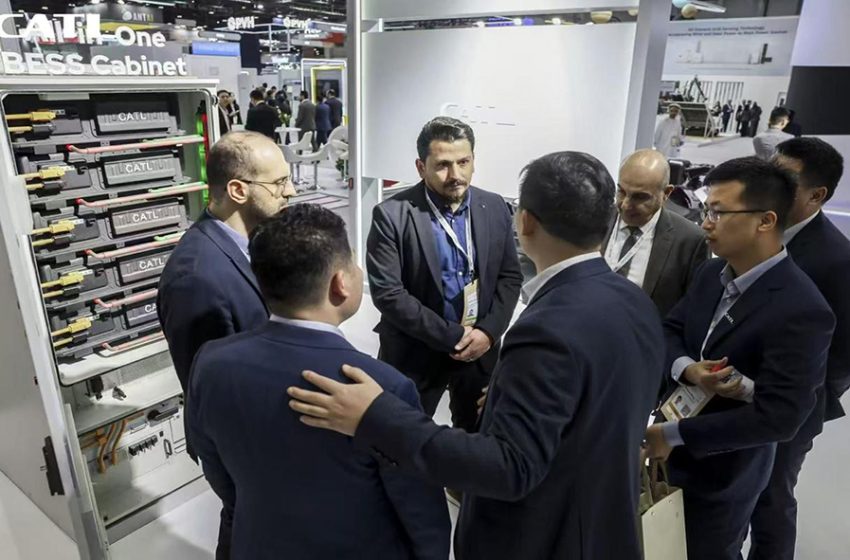
CATL highlighted the growing importance of energy storage in supporting clean energy initiatives across the Middle East during the 2026 World Future Energy Summit, as countries in the region continue to advance renewable energy and electrification programmes.
At the event, the global energy technology company showcased energy storage solutions designed to support grid stability, renewable integration and electric mobility. CATL representatives noted that energy storage is increasingly being viewed as a core component of modern energy systems rather than a supplementary technology.
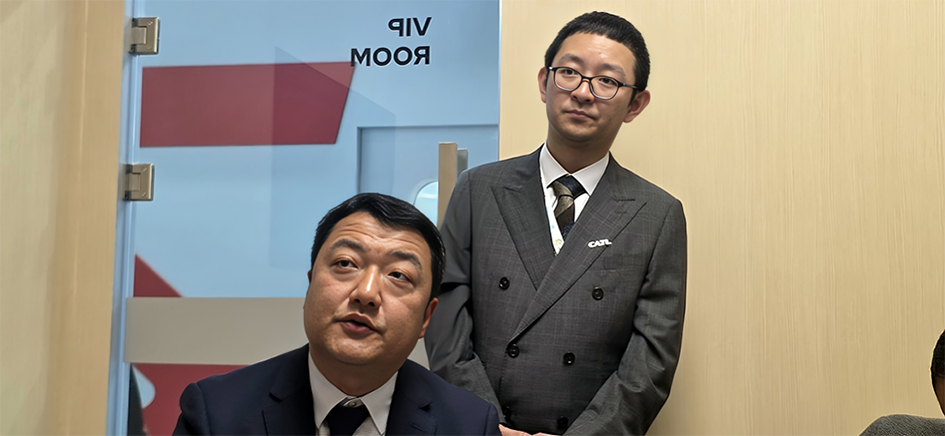
“Energy storage is becoming essential infrastructure as renewable capacity expands,” said Kui Weng, CATL ESS Middle East CEO. “It plays a vital role in ensuring power systems remain stable, flexible and reliable.”
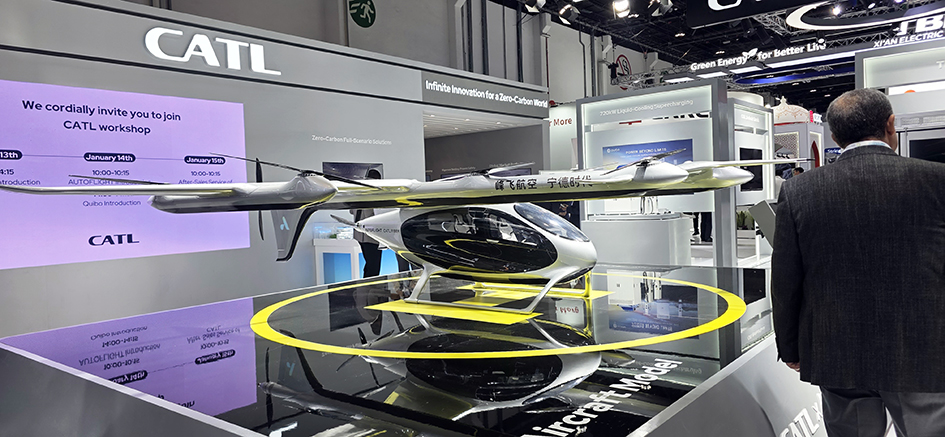
As renewable projects scale across the region, grid operators face challenges related to intermittency and peak demand. Energy storage enables excess renewable energy to be stored and released when demand is higher, improving system efficiency and reducing reliance on conventional backup power sources.
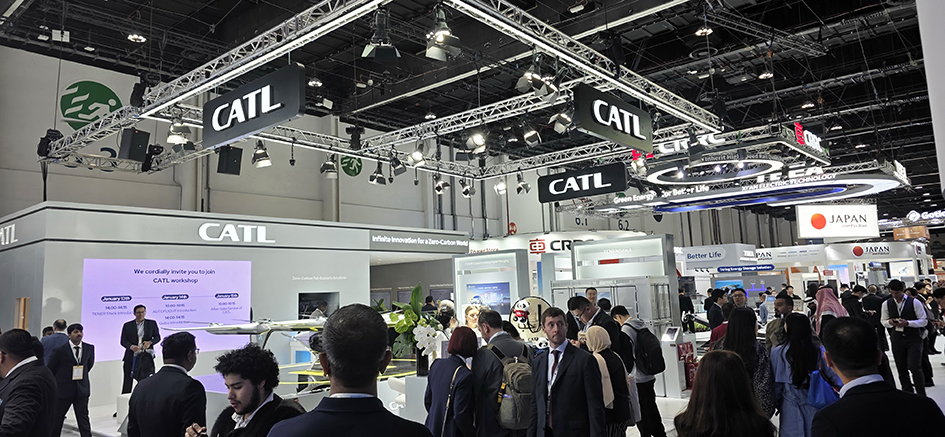
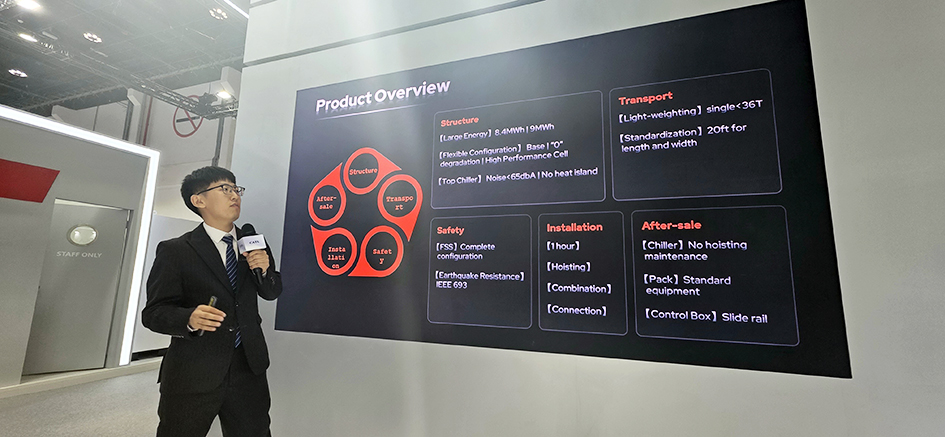
A key feature of CATL’s participation at WFES 2026 was the presentation of its Tener Stack energy storage solution. Designed for large-scale deployment, the system reflects the industry’s growing focus on scalable technologies capable of long-term operation under demanding conditions, including high temperatures and heavy utilisation.
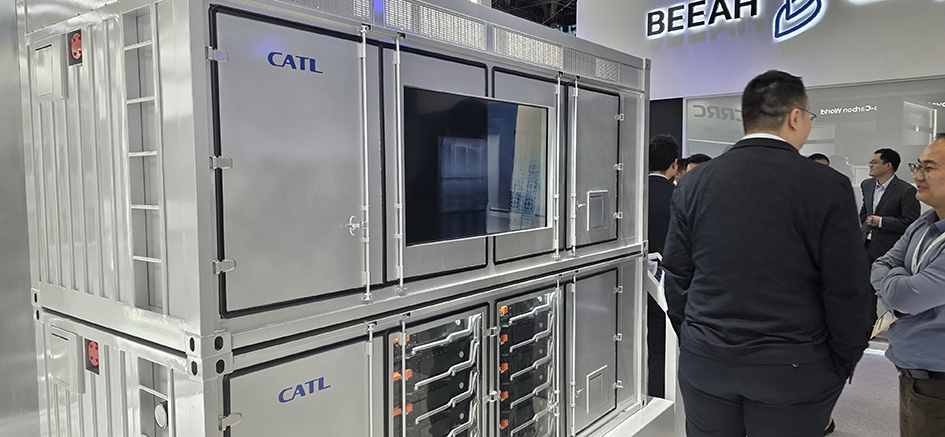
CATL explained that energy storage solutions are being deployed across a wide range of applications, from utility-scale grid projects to commercial and industrial facilities.
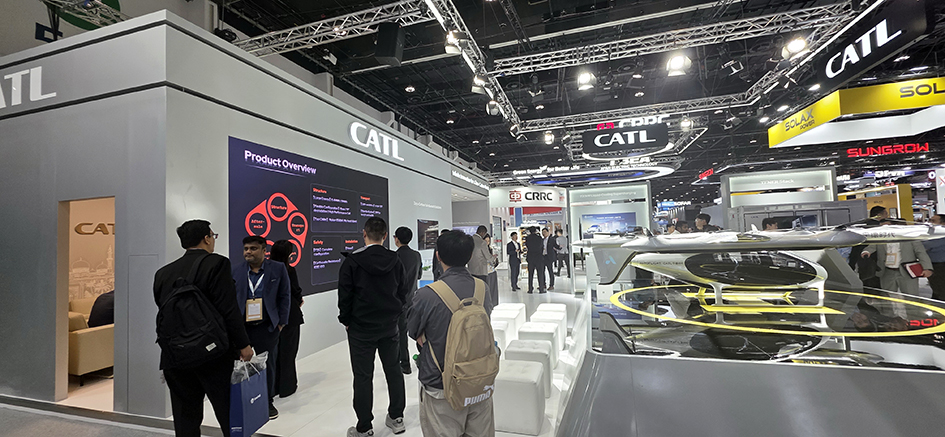
As electric mobility initiatives gain momentum, charging infrastructure must be able to meet rising demand without overloading existing power networks.
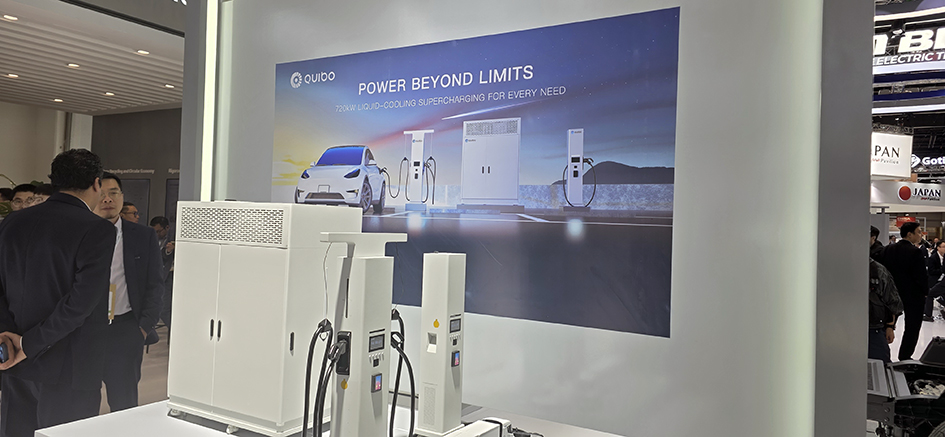
“Integrating energy storage with charging infrastructure helps smooth demand and support consistent charging performance,” Weng said. “This is particularly important for commercial fleets and logistics operations, where reliability is critical.”
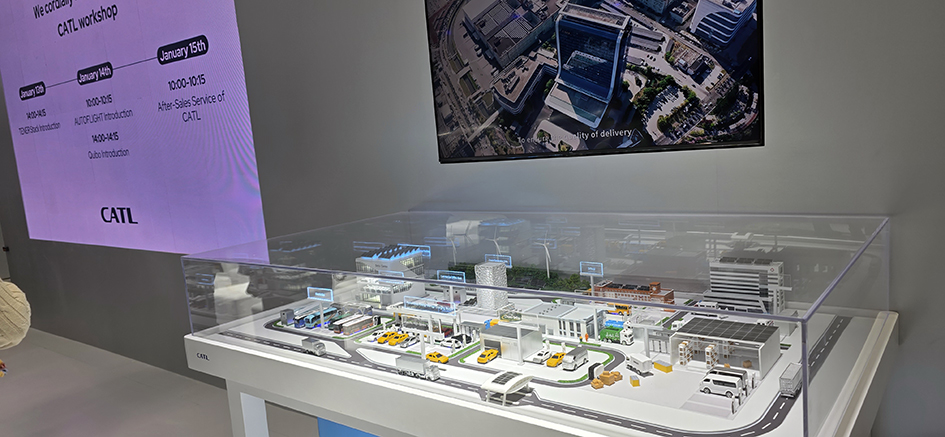
In addition to transport, CATL pointed to industrial and commercial sectors as key growth areas for energy storage deployment.
Facilities such as ports, warehouses and manufacturing sites increasingly rely on electrified equipment and automated systems, which require stable and uninterrupted power supply.
Energy storage allows these facilities to manage power demand more effectively, reduce operational emissions and improve productivity.
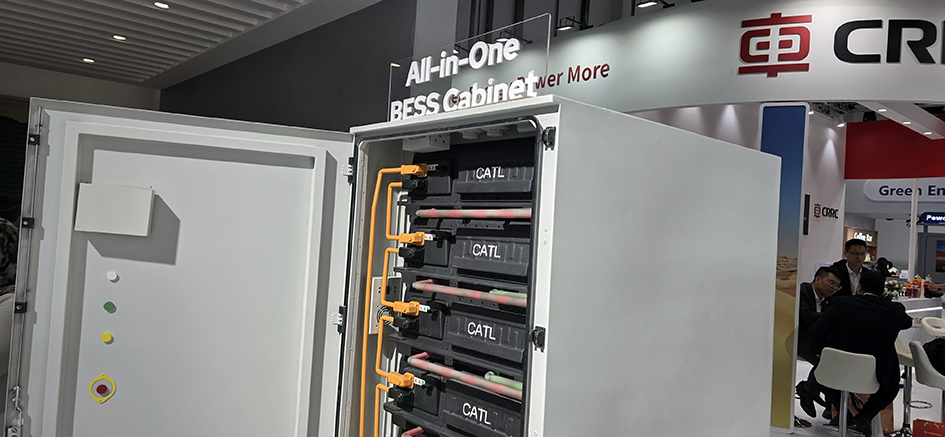
According to CATL, storage systems also help reduce dependence on diesel-based equipment, contributing to cleaner working environments.
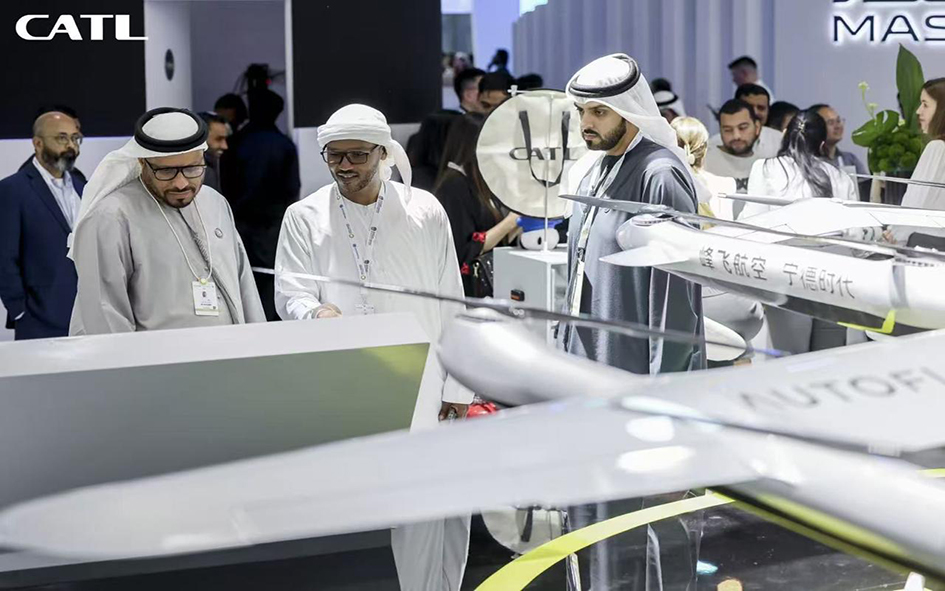
The company noted that events such as WFES provide an important platform for industry stakeholders to exchange insights, discuss challenges and explore collaboration opportunities. CATL reaffirmed its commitment to supporting the Middle East’s clean energy goals through continued technology deployment and regional engagement.